
Co-operative · ON · Federal · BC
Register a Co-operative
Corporation,
built on members.
A co-operative corporation is owned and controlled by the people it serves — its members — each with an equal vote regardless of investment. Housing co-ops, worker co-ops, and consumer or agricultural co-ops all use this structure to share ownership democratically. We prepare and file co-op incorporations in Ontario, federally, and in British Columbia.
- Co-op-compliant bylaws
- Name search included
- Membership share guidance
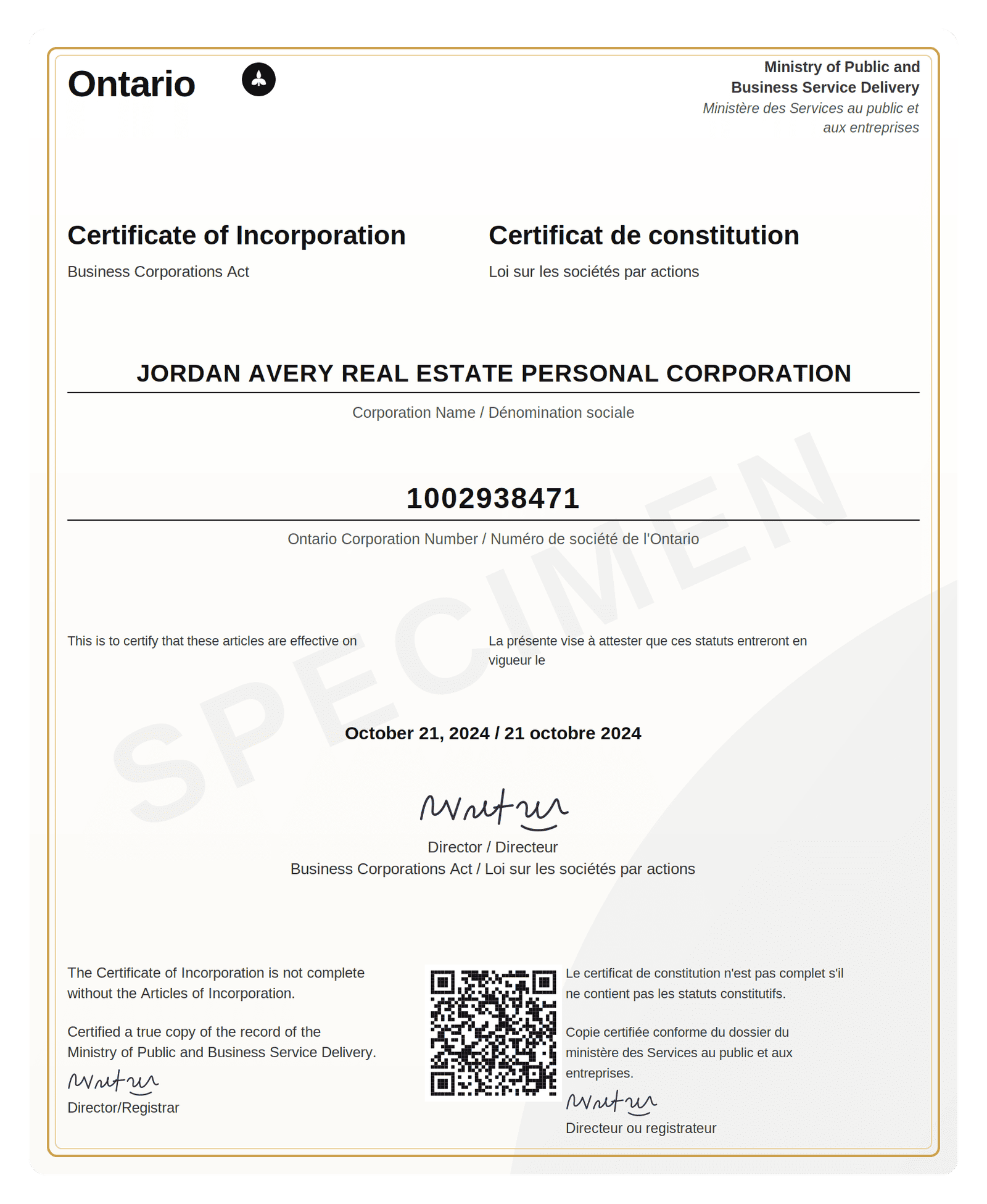
Owned by its members, governed one vote at a time.
A co-operative (or “co-op”) corporation is a distinct legal structure owned and controlled by its members rather than by shareholders seeking a return on capital. Each member typically holds one membership share and one vote, no matter how much they’ve invested — a governance principle that sets co-ops apart from ordinary business corporations. Housing co-ops, worker co-ops, agricultural co-ops and consumer co-ops (like credit unions and retail buying groups) all rely on this model.
Depending on where and how it operates, a co-op can incorporate provincially in Ontario, federally under the Canada Cooperatives Act, or provincially in British Columbia — each with its own rules on membership classes, patronage returns and permitted activities. Getting the bylaws and membership structure right at incorporation avoids costly amendments later, which is why we review every co-op filing against its specific jurisdiction’s cooperative legislation, not just standard corporate law.
Minimum membership
Most jurisdictions require at least three incorporating members, each committing to purchase at least one membership share.
One member, one vote
Voting control is tied to membership, not investment size — a founding principle that must be reflected in the bylaws.
Purpose-built bylaws
Bylaws must set out membership classes, patronage return policy, and how surplus is allocated among members.
Registered co-op name
The corporate name must include a cooperative identifier (“Co-operative”, “Coop” or “Co-op”) as required by the governing act.
From founding members to a filed co-op.
Gather your founding members
Choose your jurisdiction
Ontario, federal, or British Columbia — we help you pick based on where you’ll operate.
Draft co-op bylaws
We prepare bylaws covering membership classes, voting rights and patronage returns.
File and receive your certificate
Your application is submitted to the registry and your incorporation certificate is issued.
Shared ownership, built for the long term.
A co-op structure isn’t chosen for tax advantage — it’s chosen because a group of people want to own and govern something together, democratically, without one investor controlling the outcome.
Democratic control
Every member gets an equal vote, keeping decision-making power distributed rather than concentrated in a few large investors.
Shared risk and reward
Surplus can be returned to members through patronage dividends, tied to how much they use the co-op rather than how much capital they hold.
Purpose-aligned structure
Housing, worker and agricultural co-ops can bake their mission directly into their bylaws and membership rules.
Access to co-op financing
Many co-op development funds and credit unions offer financing specifically structured for registered cooperatives.
A filing partner that knows co-op law, not just corporate law.
Incorporation Registry is a registered paralegal firm and authorized registry agent, licensed to prepare and submit corporate filings directly to provincial and federal registries. Co-op incorporations carry extra rules around membership, voting and patronage that a general incorporation filing can miss — we check every co-op application against its governing cooperative act before it’s submitted.
01
Registered Paralegal Firm
Licensed to prepare and review corporate filings within our defined scope of practice.
02
Authorized Registry Agent
Approved to submit incorporation filings directly to provincial corporate registries.
03
Co-op filing experience
We’ve incorporated housing, worker and consumer co-ops in Ontario, federally and in British Columbia.
04
Bylaw drafting support
We help draft membership and patronage bylaws that match your co-op’s governing legislation.
Trusted by real estate professionals across Canada.
on Google · 28,000+ filings
“The team was with me every step, guiding me on every detail and suggesting the best route for my business. Excellent service.”
David Gillan
VERIFIED · 8 MONTHS AGO
“A fantastic experience incorporating my business. The process was smooth, fast and transparent from start to finish.”
Jordan Calderon
VERIFIED · 10 MONTHS AGO
“Great service! Very professional staff. They explained everything well and made the whole process effortless.”
Jinal
VERIFIED · 8 MONTHS AGO
Co-operative corporations, explained.
What makes a co-op different from a regular corporation?
A regular corporation is owned by shareholders in proportion to their investment. A co-operative is owned and controlled by its members, who typically each get one vote regardless of how much capital they’ve contributed.
How many people do I need to start a co-op?
Most jurisdictions require a minimum number of incorporating members — often three — each of whom must agree to purchase at least one membership share before the co-op can be registered.
Should I incorporate my co-op federally or provincially?
Federal incorporation under the Canada Cooperatives Act suits co-ops operating across multiple provinces or that want their name protected nationwide. Provincial incorporation is usually simpler and sufficient for a co-op operating in a single province.
Can a co-op pay dividends to its members?
Co-ops typically return surplus to members as patronage dividends, based on how much each member used the co-op’s services, rather than as investment-based dividends tied to shareholding.
Does a housing co-op work differently from a worker co-op?
Both use the same one-member-one-vote governance principle, but their bylaws differ significantly — housing co-ops govern occupancy and housing charges, while worker co-ops govern employment and profit-sharing among worker-members.
What documents does a co-op need at incorporation?
Beyond standard articles of incorporation, a co-op needs bylaws covering membership classes, voting rights, and patronage return policy — these are reviewed against the governing cooperative act before we file.
Incorporate your co-op,
Today.
Incorporate quickly and securely with Canada’s trusted filing partner. Documents in hand in hours, not weeks.